
Ashes and diamonds
My latest dispatch from Poland in Canary Media.

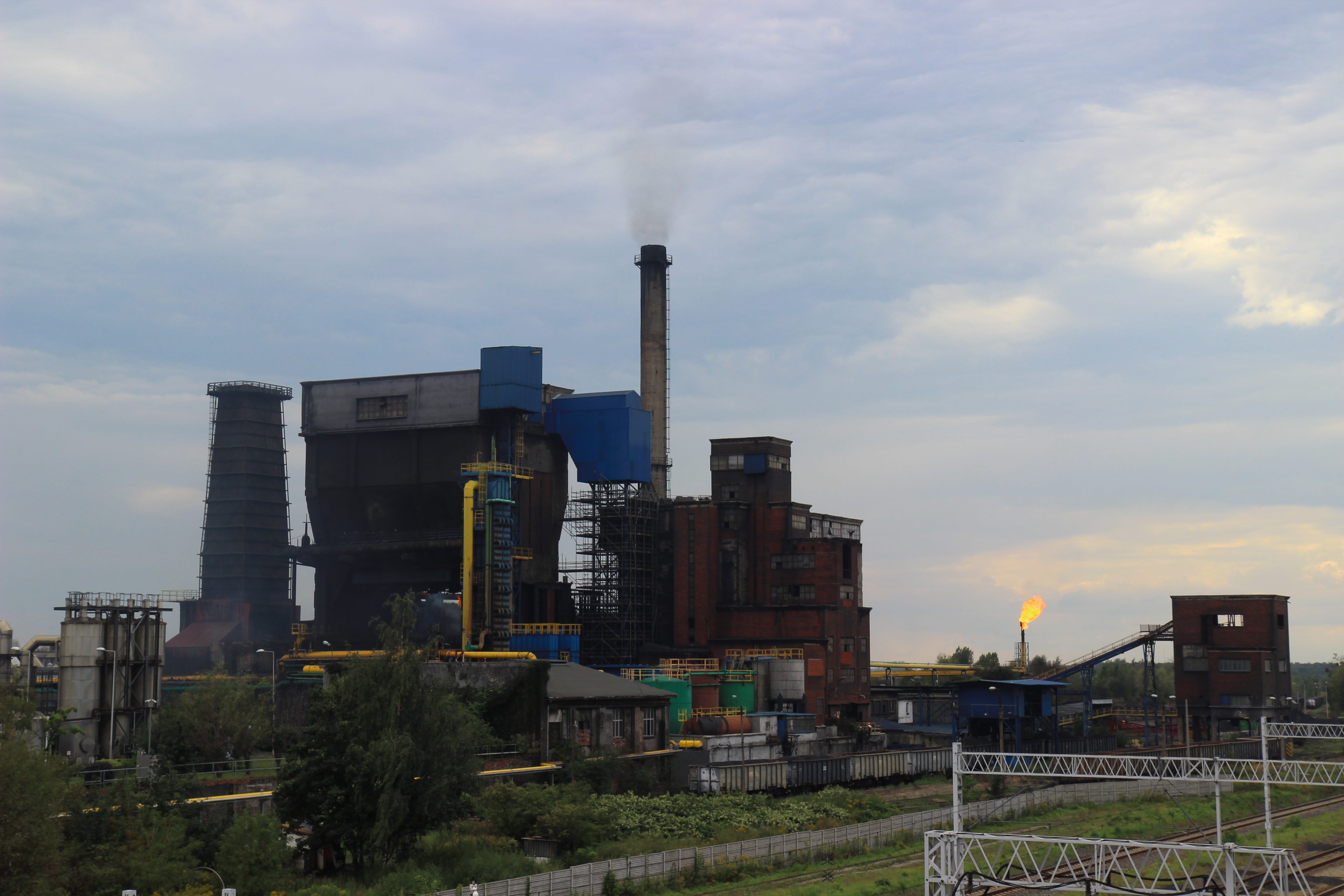
One morning in September, I stepped out of the narrow entrance to my hotel onto the cobblestone sidewalk in downtown Katowice, Poland. The street was mostly quiet, the sky was gray, and the air was crisp and dank with a bone-chilling humidity. A reasonable person might want to stay inside, cozy up with a book. But I had a rental car to return two hours away in Wrocław before catching a long train to Warsaw. Worse yet, I had caught a cold at the Economic Forum conference I had been attending two days earlier. I needed a pretzel to coat my stomach before I could honor my right as an American to pop a DayQuil and wish away the illness. Even though a stuff nose, the smell in the air that morning was distinct. Smoke. But not just any smoke. Not the, uh, earthy kind familiar to New York sidewalk strollers. Nor that woody wildfire scent I encountered first in Colorado years ago and again in my own city as Canada’s infernos blazed and blew their fumes southward.
This was coal.
I had come here to the capital city of Upper Silesia — an ethnically distinct (I was surprised to learn) province of southern Poland — to learn about the slow death of the coal industry.
For the previous two days, I followed around Adam Drobniak, a local economist who has championed efforts for a “just transition” for miners. That translates essentially to slowing down the shutdowns, providing decent severance and retraining to workers, and developing the region’s new industries. It’s working, to some extent, though the effort has plenty of critics, including European Union officials who want Poland to speed up its decarbonization.
In a recent feature story for Canary Media, here’s what I wrote:
The deal that Drobniak helped broker set a deadline of 2049 for Poland’s final coal operations to shut down, years later than in many other EU nations. Not everyone supported the idea. Poland’s reliance on coal has rendered its air some of the dirtiest in Europe, shaving an average of nine months off its citizens’ lives. Its per capita greenhouse gas emissions are the fifth-highest in the EU, and Brussels has continued to pressure Poland to speed up its transition. Meanwhile, Warsaw is bristling at spending more money to keep the coal sector’s operations going for another 23 years.
Over coffee and cookies at Kadra’s modest offices on the outskirts of Katowice, in the shadow of idle smokestacks from now-defunct coal-fired plants, Grzegorz Trefon, the union’s head of international affairs, recalled a famous speech Nikita Khrushchev gave at the Polish Embassy in 1956, in which the Soviet leader vowed to defeat the capitalist forces of the world through patient confidence that “history is on our side.”
“That’s what we want,” Trefon said. “We want to win by time.”
The reference to a reviled Russian ruler drew chuckles among his compatriots in the room. Dariusz Stankiewicz, the regional government’s lead specialist on the transition from coal, stepped in to clarify what Trefon meant.
“This shows that when we are facing this in a very slow manner, our economy can transform itself and produce new workplaces,” he said.
Between 2005 and 2022, Silesia lost 55,000 jobs in the mining sector, according to government data. But the region added 160,000 jobs in other sectors during that same 17-year time period.
“If we slow down the process, the economy can cope with this problem and produce new jobs,” Stankiewicz said. “This is why I support this very slow phasing-out process.”
I saw how beautiful Katowice had become, and how the city was transforming. I also visited Bytom, a nearby coal-mining town that seems stuck in the 20th century, with poverty, prostitution, and alcoholism as visible as the thick clouds of smoke and vapor belching out of the coal-processing plant right in the heart of the place. That exposure probably didn’t help my respiratory situation. But nothing some roulade couldn’t help:


You can read my full dispatch here.
If you want to support my reporting and make more international work possible for a freelancer, please consider upgrading your subscription for just $5 a month. Doing so gives you access to exclusive posts, commenting privileges, and this newsletter’s full eight-year archive.


Outtakes from Bytom and Katowice.
Signing off from chilly Bay Ridge, Brooklyn, where my beautiful baby girl Eve is vaulting past the crawling phase and working relentlessly to stand and walk. Her determination and focus are my truest inspirations.