
The steel drivers
My latest exclusive for Canary Media.

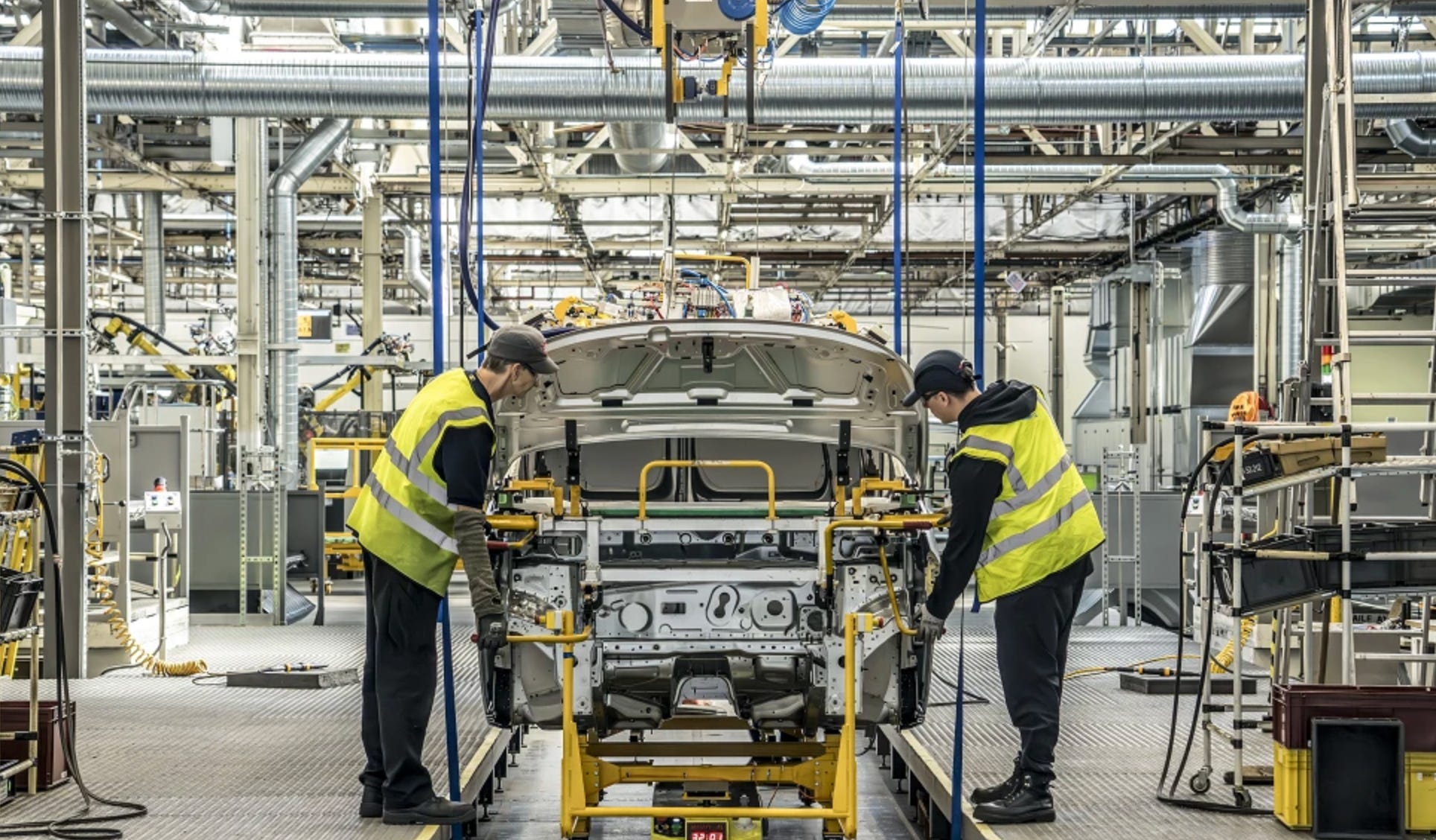
The American steel industry is going backward. Since President Donald Trump returned to office last year, efforts to replace coal with cleaner fuels have reversed.
Steelmaking is a two-part process. Traditionally, iron ore goes into coal-fired blast furnaces, then to basic oxygen furnaces to make steel. A greener method involves producing what’s known as direct reduced iron with natural gas or hydrogen, then turning that into steel in an electric arc furnace. If carbon-free electricity powers both the electrolyzers that make the hydrogen and the electric arc furnace, the steel is completely green.
As of now, the U.S. has no integrated mills for green steel. If that’s to change, it’ll be because of one type of customer in particular: Automakers.
I got my hands on an exclusive new analysis by the environmental group Mighty Earth, which conducted an “exhaustive” review of supply chain data to quantify who buys the most “primary steel” — the most durable version of the metal that typically comes from an integrated steel mill. The answer, it turns out, is car manufacturers, since they need particularly strong steel to shape the outer shell of the vehicle.
Here’s what I wrote this morning in Canary Media:
At least 60% of U.S. primary steel is purchased by automobile manufacturers, according to an analysis from the environmental group Mighty Earth that was shared exclusively with Canary Media. The six automakers identified in the report — Ford Motor Co., General Motors Co., Honda Motor Co., Hyundai Motor Group, Stellantis, and Toyota Motor Corp. — produce 73% of all new cars on American roads.
The finding highlights a point of leverage for customers in decarbonizing American steel production at a moment when steelmakers are largely reversing plans for greener mills and doubling down on coal-fired blast furnaces.
“The auto market drives blast furnaces in the U.S.,” said Matthew Groch, senior director of decarbonization at Mighty Earth. “If they really cared and wanted to, they could put pressure on these companies they’re buying steel from. But they aren’t, and they don’t.”
Only one of the six automakers, Honda, responded to emailed questions from Canary Media. But the Japanese firm declined to comment on its steel suppliers.
“Honda is actively working to reduce CO₂ emissions associated with raw material procurement and manufacturing processes,” Honda spokesperson Chris Abbruzzese said in an email. “We do not publicly disclose individual supplier relationships.”
The good news? Hyundai is building an integrated low-carbon steel mill in Louisiana that’s scheduled to come online in three years. The plant is designed to first use blue hydrogen, the version of the fuel that comes from natural gas paired with carbon capture equipment. But by the mid-2030s, the South Korean automaker is on track to build out enough green hydrogen production to swap in the cleaner stuff.
Despite recent headwinds, Hyundai is charging ahead with its plans. As I wrote for Canary Media earlier this month, the company is building a direct reduced iron facility at one of its existing steel mills in South Korea to test out the technology for its American plant.
Support independent, balanced reported by upgrading to a paid subscription for just $5 a month. It’s like buying me a beer, or a coffee, except cheaper than the type of place I’d probably recommend we go. :)
Signing off from sunny Bay Ridge, Brooklyn, where my little Eve is home napping after catching yet another daycare illness.